
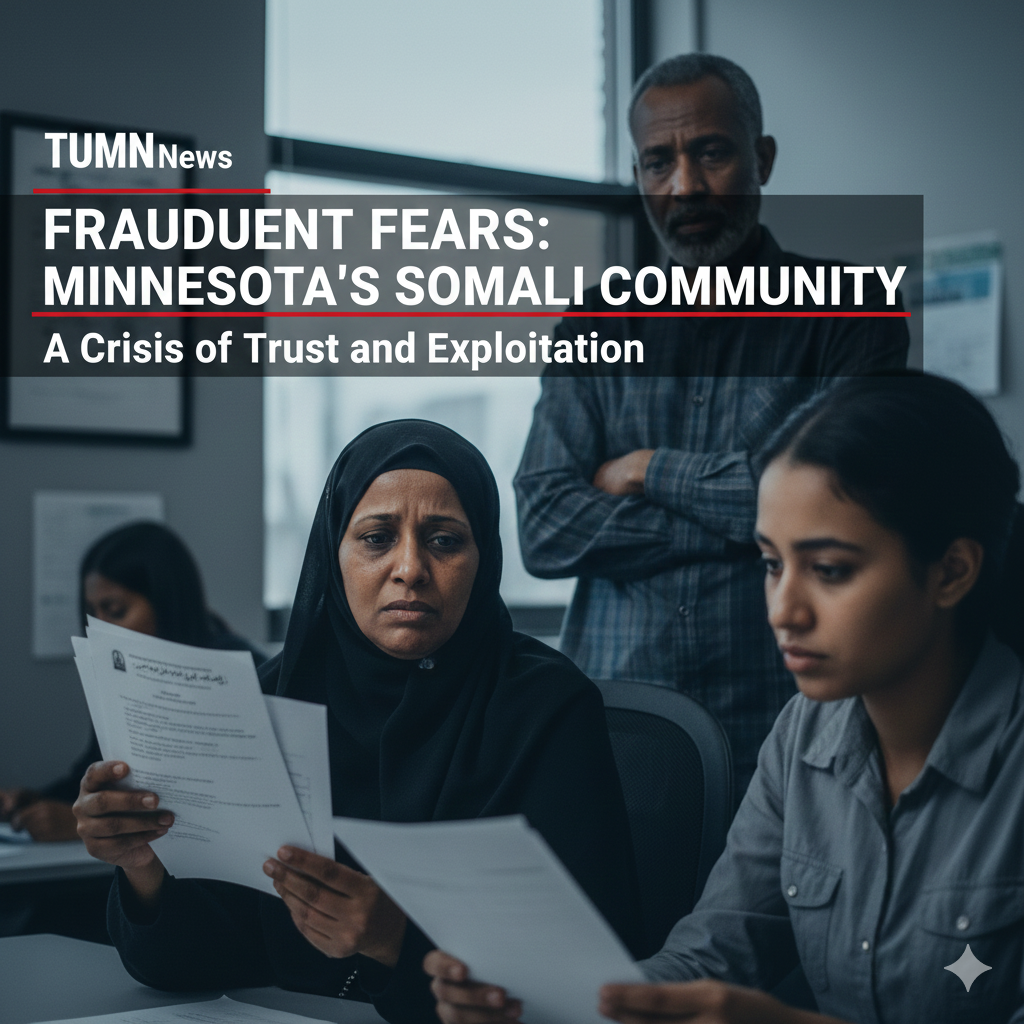
The Twin Shadows of Injustice: Somalia Fraud in Minnesota and My Own Experience with Federal Mail Fraud
Introduction
Fraud, particularly within the context of specific communities, often unearths layers of complexity and challenge. In Minnesota, the Somali community has faced significant issues related to fraudulent activities that have plagued its reputation and safety. This unsettling phenomenon has manifested in various forms, including identity theft, financial fraud, and exploitation of governmental assistance programs. As a consequence, the implications of such activities reach far beyond monetary loss, delving into the erosion of trust within the community, leading to a sense of vulnerability among its members.
The fraught situation in Minnesota not only highlights the impact of these fraudulent practices but also raises critical questions about the underlying social dynamics that allow them to flourish. The challenges faced by the Somali community can be correlated to social isolation, economic hardship, and a lack of awareness about the complex systems that govern immigration and finance. Consequently, these factors often render individuals more susceptible to exploitation, as they may lack the resources or knowledge to effectively shield themselves from fraudsters.
My personal connection to this topic stems from my own experience with federal mail fraud, which adds a layer of authenticity and urgency to the exploration of these issues. Having encountered the devastating repercussions of being caught in a fraudulent scheme, I can offer insight into how quickly one’s life can spiral due to the actions of others. Experiencing the legal challenges firsthand, I have gained a comprehensive understanding of the complexities surrounding fraud, especially as it pertains to marginalized communities.
As we delve deeper into the twin shadows of injustice surrounding fraud in Minnesota and my personal narrative, it becomes imperative to understand not only the nature of these crimes but also the human experiences and systemic factors that shape our collective response.
Understanding the Somalia Fraud in Minnesota
The Somalia fraud scandal in Minnesota represents a troubling intersection of deception and community vulnerability. Over the past decade, this scheme has exploited the social and economic fabric of the Somali community in the state, manifesting through various fraudulent activities. Central to this fraud is the manipulation of federal welfare programs, where fraudulent claims have been processed to extract substantial sums of money, costing taxpayers millions.
Criminal organizations have employed various methods to facilitate this fraud, including the use of fake identities and the creation of nonexistent businesses. In many instances, individuals within the community were enlisted, sometimes unknowingly, to assist in these fraudulent operations, creating a cycle of involvement that is difficult to break. Key figures have emerged within this narrative, including leaders who were previously viewed as community role models, highlighting a significant betrayal of trust among community members.
The repercussions of this fraud are far-reaching. Not only has it undermined the integrity of essential welfare programs, but it has also exacerbated existing stereotypes about immigrants and communities of color in Minnesota. This has influenced both public perception and policy decisions, leading to increased scrutiny and, in some cases, stigmatization of the Somali community. Community leaders are now caught in a dual struggle: addressing the harm done by these fraudulent actions while simultaneously working to repair the reputational damage inflicted upon the broader Somali population.
Overall, the Somalia fraud in Minnesota serves as a cautionary tale of how vulnerabilities can be exploited within communities, prompting an urgent discussion on protective measures and the necessity of increasing awareness and education regarding the value of integrity in both personal and communal identities.
My Personal Journey: Convicted of Federal Mail Fraud
Every individual’s journey with the judicial system is unique, yet they often share commonalities. My experience with federal mail fraud starkly highlights the profound impact such a conviction can have on one’s life and family dynamics. The pivotal moments that led to my conviction began with circumstances that seemed innocuous at first. A series of poor decisions, combined with a lack of awareness regarding the legal implications of my actions, culminated in an unexpected legal entanglement.
The charges against me stemmed from what I initially perceived as minor infractions related to my business dealings. I had been attempting to navigate the complexities of the regulatory environment without fully comprehending the potential consequences of my choices. When the investigation unfolded, it became increasingly evident that my actions, albeit unintentional, fell within the realm of malfeasance. This misinterpretation of my business practices led to my conviction for federal mail fraud.
The legal repercussions were swift and relentless. I faced severe penalties, including a criminal record, substantial fines, and the haunting experience of a federal trial. The trial itself was a surreal process, as I grappled with feelings of vulnerability and fear. Beyond the legal ramifications, the emotional toll was equally severe. My family endured immense stress as the public nature of the charges created a stigma that affected not only me but also those closest to me.
Throughout this harrowing journey, I found my perspectives shifting. I became acutely aware of how the system often lacks transparency and the. emotional fortitude required to navigate it. It was a time filled with uncertainty, resentment, and ultimately, personal growth. This experience revealed the broader implications of federal mail fraud, not only on the individual facing charges but also on the familial units that bear the weight of such convictions.
The Dark Side of the Justice System
The concept of justice is inherently linked to accountability; however, experiences within the legal framework, especially concerning fraud cases such as the Somalia fraud in Minnesota, often reflect a darker reality. The apparent lack of repercussions faced by those engaged in fraudulent activities raises profound questions about the efficacy and integrity of the justice system. While some individuals, like the author, navigate the labyrinth of federal mail fraud charges, perpetrators of larger schemes appear to evade similar fates. This disparity in treatment highlights systemic issues that can undermine public trust.
My own encounter with allegations of federal mail fraud unveiled a troubling aspect of the legal process: an overwhelming sense of isolation in a system that seems indifferent to personal circumstances. The pursuit of justice often feels bogged down by bureaucratic delays and a lack of resources allocated to truly investigate claims thoroughly. Conversely, in cases involving extensive fraud rings like those stemming from Somalia, there seems to be a persistent lack of urgency to hold perpetrators accountable. This discrepancy raises critical questions about whether justice is genuinely blind or whether it selectively overlooks certain offenders.
Moreover, the ambiguity surrounding accountability in these fraud cases fosters a culture in which individuals might believe they can operate without fear of retribution. Such a sentiment not only disheartens those wronged but can perpetuate a cycle of injustice that affects countless lives. As I reflected on my own experience, I could not help but draw parallels between my challenges and the broader implications of how fraud is treated in society. This systemic failure to address accountability reflects a dark side of the justice system, one that not only casts doubt on its effectiveness but also poses a significant risk to the principles of equality and fairness.
Victims of Fraud: The Human Cost
The impact of fraud extends far beyond mere financial loss; it manifests deeply within the lives of victims, leaving psychological scars and altering family dynamics. In the context of the Somalia fraud case in Minnesota, numerous individuals were ensnared in a complex web of deceit that robbed them of their savings and, in some instances, their hopes for a better life. The victims often faced not only monetary crises but also a profound sense of betrayal and disillusionment. The emotional toll can lead to anxiety and depression, as many grapple with feelings of hopelessness and isolation.
In my own experience with federal mail fraud, I witnessed firsthand the harrowing consequences. Despite the initial allure of potential gains, the fallout proved devastating for both victims and perpetrators. Families were left in disarray, struggling to recover not just from financial losses but also from the associated shame and stigma of being defrauded. Communities can also feel the ripple effects, as trust diminishes and relationships strain under the weight of suspicion.
The psychological effects of such fraudulent actions can be long-lasting. Victims may experience a decrease in self-esteem and an increase in fear regarding their financial security. Support systems play a crucial role in aiding their recovery, but many individuals find it difficult to seek help due to the stigma surrounding financial fraud. It is vital to foster a sense of understanding and compassion for those affected, recognizing that they are often left to navigate the tumultuous aftermath of deceit on their own.
As we delve deeper into the narratives of those impacted by both the Somalia fraud case and personal experiences of federal mail fraud, it becomes evident that the human cost extends well beyond the calculated losses; it is a testament to the resilience of individuals who strive to reclaim their lives from the shadows of fraud.
Calls for Accountability: The Need for Justice
Accountability is a cornerstone of any functioning justice system, particularly in matters involving fraud. The cases emerging from the Somalia fraud incident in Minnesota serve as a glaring reminder of the urgent need to hold perpetrators accountable for their actions. Fraud not only erodes trust in governmental institutions but also disproportionately affects the most vulnerable members of society, often leaving them without recourse. It is essential that law enforcement agencies act decisively against those engaged in deceptive practices.
The disparities in the treatment of various fraud cases further compound the issue. While high-profile cases may receive considerable media attention, more localized instances, such as mail fraud or lesser-known schemes, can go unchecked. This imbalance highlights the necessity for systemic changes in how fraud cases are investigated and prosecuted. Law enforcement agencies must ensure that all cases, regardless of their scale or visibility, are treated with the same level of seriousness and diligence. This includes thorough investigations and the application of appropriate legal consequences for those found guilty.
Additionally, community awareness and education about fraud can play a pivotal role in fostering a culture of accountability. By empowering individuals with the knowledge and tools to recognize signs of fraudulent activities, communities can collectively advocate for justice. This grassroots approach complements law enforcement efforts, creating a more robust framework for addressing fraud on all levels.
Ultimately, the demand for justice must be unyielding in all cases of fraud. Only through concerted efforts can we ensure that those who exploit others for financial gain are held responsible. Moving forward, it is imperative that both law enforcement agencies and communities work in tandem to combat fraud and promote a more equitable society.
Community Responses and Initiatives
The incidents of fraud that have disproportionately impacted the Somali community in Minnesota have not gone unnoticed. In response to these challenges, various community initiatives and organizations have emerged to combat fraud and support victims. Understanding the communal aspect of these issues, local leaders have taken proactive steps to create awareness and foster preventive measures within the community.
One significant initiative is the establishment of educational programs focused on financial literacy and fraud prevention. These programs aim to equip community members with essential skills to recognize red flags associated with fraudulent activities. Collaborations with institutions like local banks have further enhanced these efforts, allowing for informative workshops and resources that empower individuals to protect themselves against fraud.
Moreover, advocacy groups within the Somali community play a crucial role in providing support to victims of fraud. These organizations offer not only emotional support but also practical assistance, including navigating the legal implications of fraud incidents. By organizing community forums where victims can share their experiences, these groups are fostering a spirit of solidarity and resilience, encouraging individuals to speak out against such injustices.
Law enforcement agencies have also recognized the need for a collaborative approach in addressing fraud cases. By partnering with local organizations, they are working to build trust within the community, encouraging reporting of fraudulent activities without fear of reprisal. This partnership model not only aids in the breakdown of fraudulent networks but also promotes a safer environment for community members.
Through these combined efforts, the Somali community in Minnesota is actively engaging in a robust response to the challenges posed by fraud. The initiatives undertaken aim to strengthen the community’s resilience, ensuring that victims are supported while also laying the groundwork for a more informed and vigilant populace in the face of evolving threats.
Looking Forward: Preventing Future Fraud
To mitigate the occurrence of fraud in the Somali community and beyond, a multifaceted approach is essential. Education plays a critical role in equipping individuals with the knowledge necessary to recognize and resist fraudulent activities. Workshops and seminars tailored to the unique challenges faced by the community can serve as effective platforms for disseminating information about common scams and impersonation tactics. This proactive stance encourages individuals to be vigilant and informed.
In addition to education, awareness campaigns can significantly impact the community’s ability to detect and report fraudulent behavior. Utilizing social media, local newsletters, and community gatherings to share stories and insights into fraud can create an informed populace. Such initiatives not only highlight the risks but also empower community members to act when they encounter suspicious activities. Collaboration with local law enforcement and legal experts can further enhance these awareness efforts, providing a support structure for victims and potential victims alike.
Community engagement is also paramount in fostering a culture of transparency and trust. Establishing local forums or networks where community members can discuss their experiences and concerns encourages open dialogue. By creating channels for reporting fraud anonymously, individuals may feel more secure in coming forward, contributing to a collective understanding of the fragility of trust within the community.
Ultimately, the path towards preventing future fraud lies in cultivating an informed and united community. The collective commitment to educate, raise awareness, and engage in proactive discussions establishes a strong defense against the forces of fraud. These efforts not only protect individuals but fortify the community against the corrosive effects of deception, ensuring a safer environment for all.
Conclusion: A Call for Justice and Change
The narrative of fraud involving the Somali community in Minnesota highlights a troubling trend that transcends individual cases, indicating a pressing need for systemic reform and community awareness. My personal experience with federal mail fraud intersects with a broader story that calls for urgent attention to the issues plaguing vulnerable communities. Both the alarming instances of fraud affecting Somali individuals and my encounter with the legal system reveal significant gaps in accountability and justice.
It is imperative to recognize the psychological and societal impact of fraud, which often leaves victims feeling isolated and marginalized. The Somali community, grappling with a legacy of economic challenges, is further burdened by fraudulent activities that exploit their vulnerabilities. These injustices call for a multifaceted approach to reform, incorporating legal, social, and educational measures to empower individuals and protect them from deception. Integrating community awareness programs aimed at educating individuals about fraud and its consequences could serve as a vital preventative strategy.
Moreover, the necessary collaboration between law enforcement and community organizations can pave the way for a more just response to fraud. Building trust within the community ensures that individuals feel safe reporting fraudulent activities, thereby fostering a collective vigilance that is essential for long-term change. Without active intervention, the cycle of fraud will persist, leading to further economic and emotional distress within the Somali community and beyond.
In conclusion, the call for justice is not just for one individual but for an entire community striving for integrity and security. We must recognize the interconnectedness of our experiences and work toward comprehensive reforms that not only address past injustices but also lay a foundation for a future free from fraud and exploitation. Collective vigilance and reform efforts are paramount to achieving this vision of justice and change.
